
A document is only as good as the forgery it defeats.
Passports, identity cards, visas, certificates, licences and tax stamps — delivered under chain-of-custody control, with overt, covert and forensic features that a border officer, a machine and a laboratory can each verify in turn.
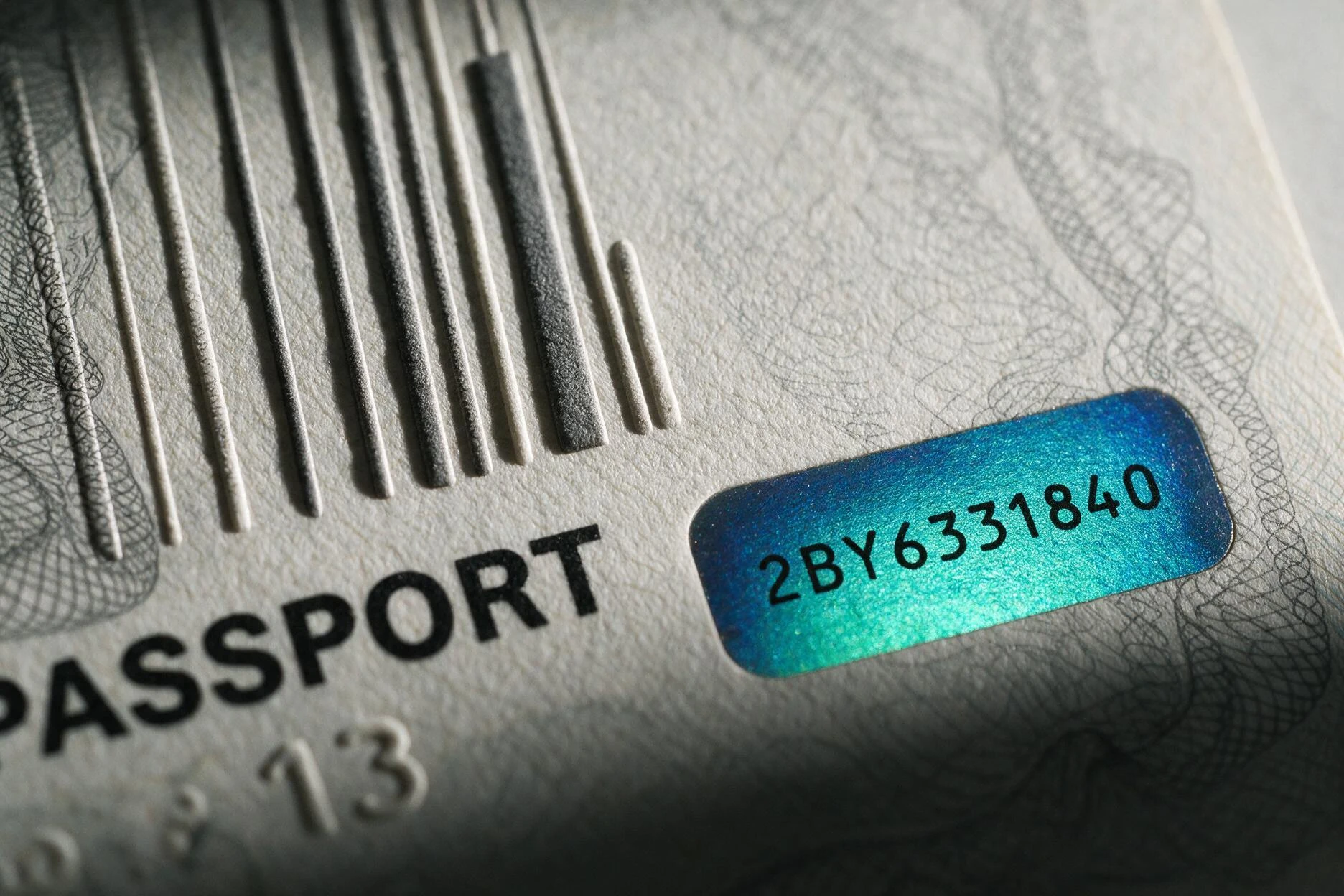
Security features answer to three different examiners. A document that serves only one of them is a weak document — and one loaded with expensive features that address no actual threat is a procurement failure dressed as diligence.
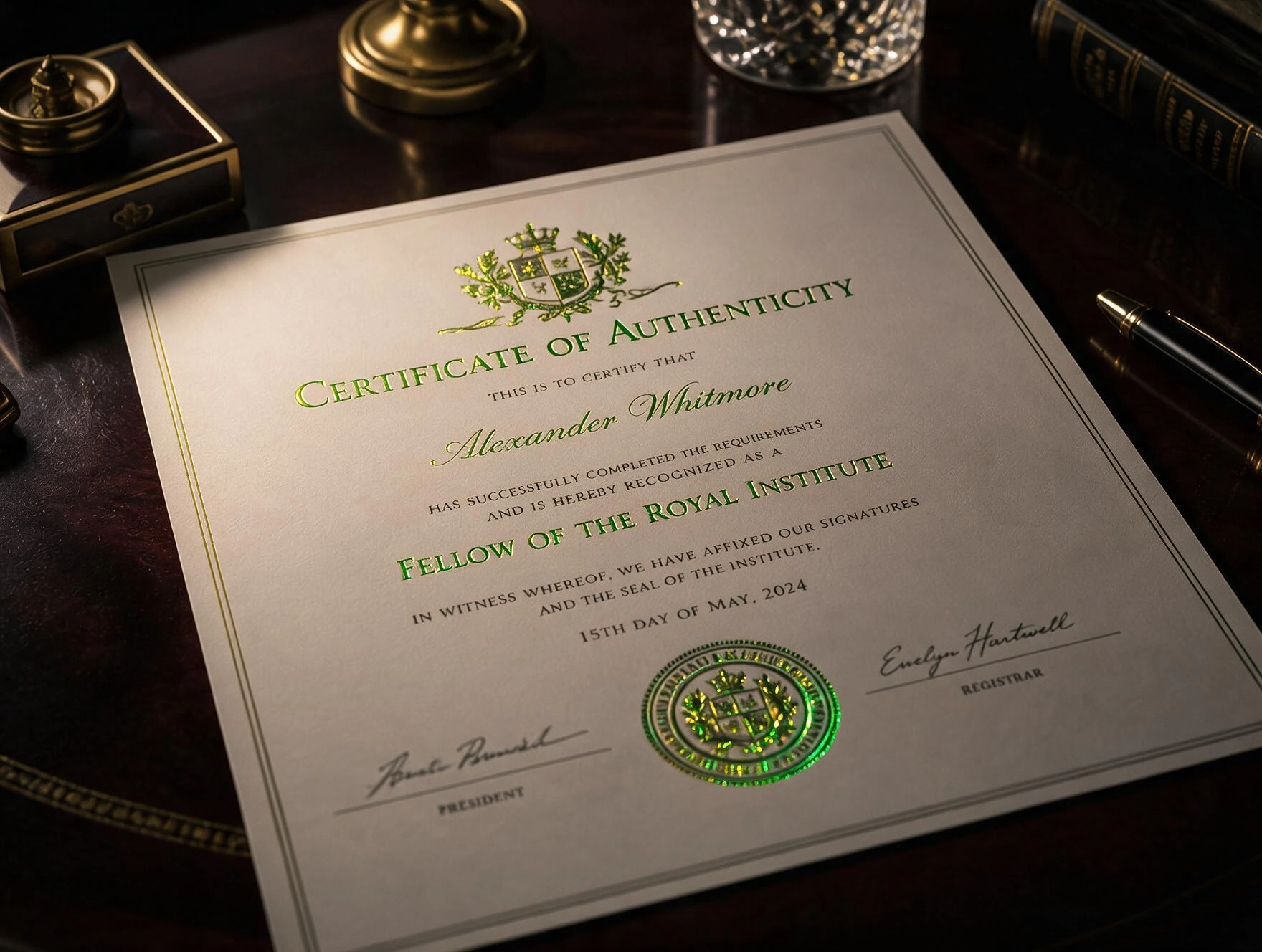
Overt
Verified by a person, in seconds, with no equipment.
Optically variable ink, holographic laminates, tactile intaglio relief, watermarks, guilloché line work, latent images, see-through registers.
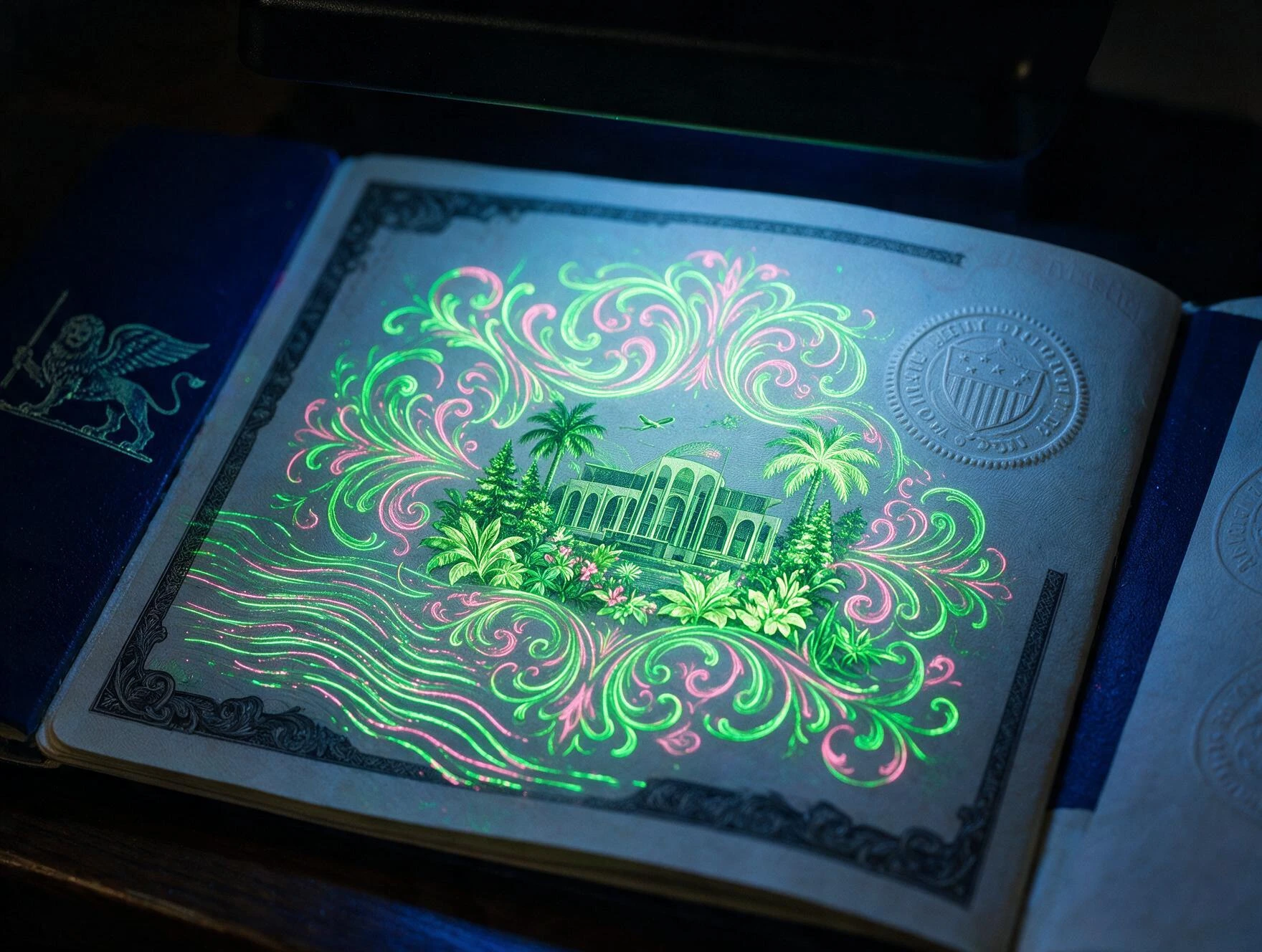
Covert
Verified with simple equipment — a UV lamp, a loupe, a reader.
UV-fluorescent and IR-absorbing inks, microtext, anti-copy patterns, embedded fibres, machine-readable zones, chip data authentication.
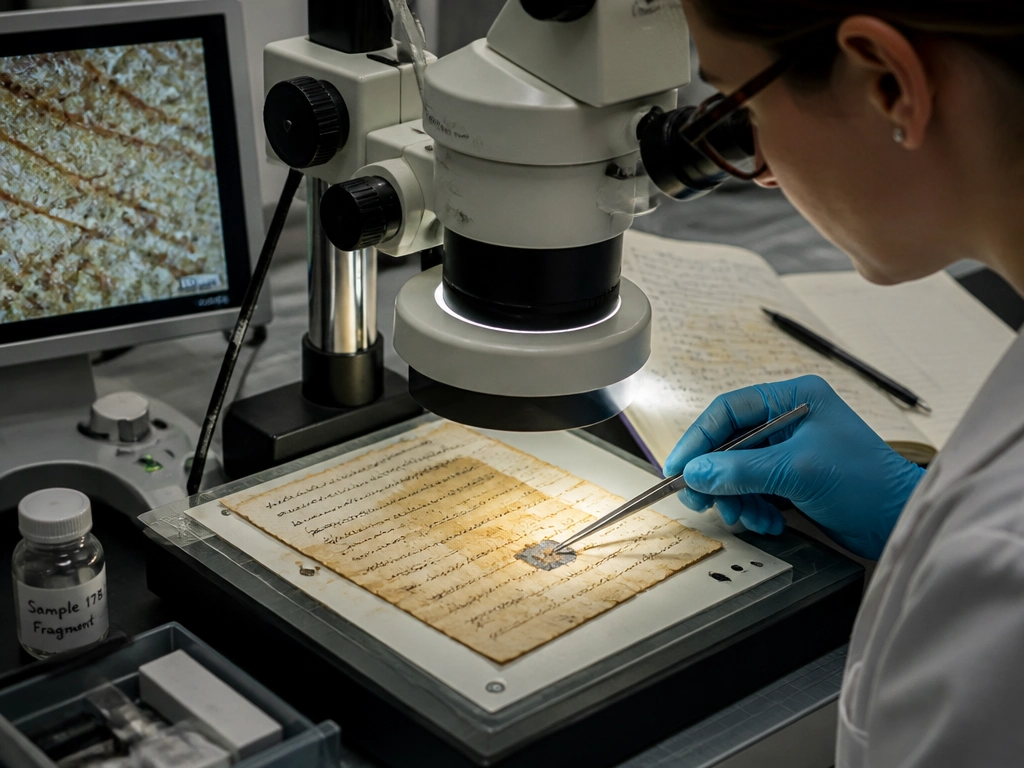
Forensic
Verified in a laboratory, in a dispute.
Chemical taggants, controlled substrate composition, run-level traceable identifiers.
Security features are not a shopping list. Each answers a specific attack — substitution of the photograph, alteration of the data, wholesale counterfeiting, or theft of blank stock. We start from a threat assessment of your existing document: what has been forged, how, and what an examiner in the field can realistically check under fluorescent lighting in eight seconds.
A feature no examiner can verify adds cost, not security.
Identity documents
National ID cards, residence permits, driving licences. Polycarbonate, composite and PVC bodies with laser engraving and embedded chips.
Travel documents
ePassports and emergency travel documents to ICAO Doc 9303 — polycarbonate data pages, sewn and bound booklets, chip integration and personalisation.
Visas and permits
Visa stickers and vignettes, work and residence permits, on tamper-evident substrates that fail visibly on removal.
Civil and academic certificates
Birth, death and marriage certificates, diplomas and professional licences, with verification routes that don't require telephoning the issuing office.
Excise and tax stamps
Tobacco, alcohol and beverage stamps with serialised track-and-trace, so a revenue authority can follow a unit from production to point of sale.
Value documents
Cheques, vouchers, permits, land and share certificates.
Brand protection
Authentication labels and seals for pharmaceuticals, agricultural inputs and regulated goods.
Central personalisation
Laser engraving, chip encoding and per-unit quality inspection.
Decentralised issuance
Counter and desktop systems for offices that must issue same-day.
Chip encoding and PKI
LDS writing and document signing, operated with your keys in your HSMs. DNH never holds the signing keys to your citizens' credentials.
Quality inspection
Automated per-unit inspection with reject capture and traceability.
Fulfilment
Enveloping, secure logistics, delivery tracking, reconciliation of returns.
Forging a modern passport is difficult. Stealing genuine blanks and personalising them is not — unless every unit is accounted for from substrate through to destruction certificate.
- Serialised inventory reconciled at every stage
- Zoned physical access control and CCTV retention across the production and personalisation chain
- Vetted personnel with defined clearance requirements
- Witnessed destruction of spoilage against signed certificates
- Independent audit access for the issuing authority, unannounced, at any point in the chain
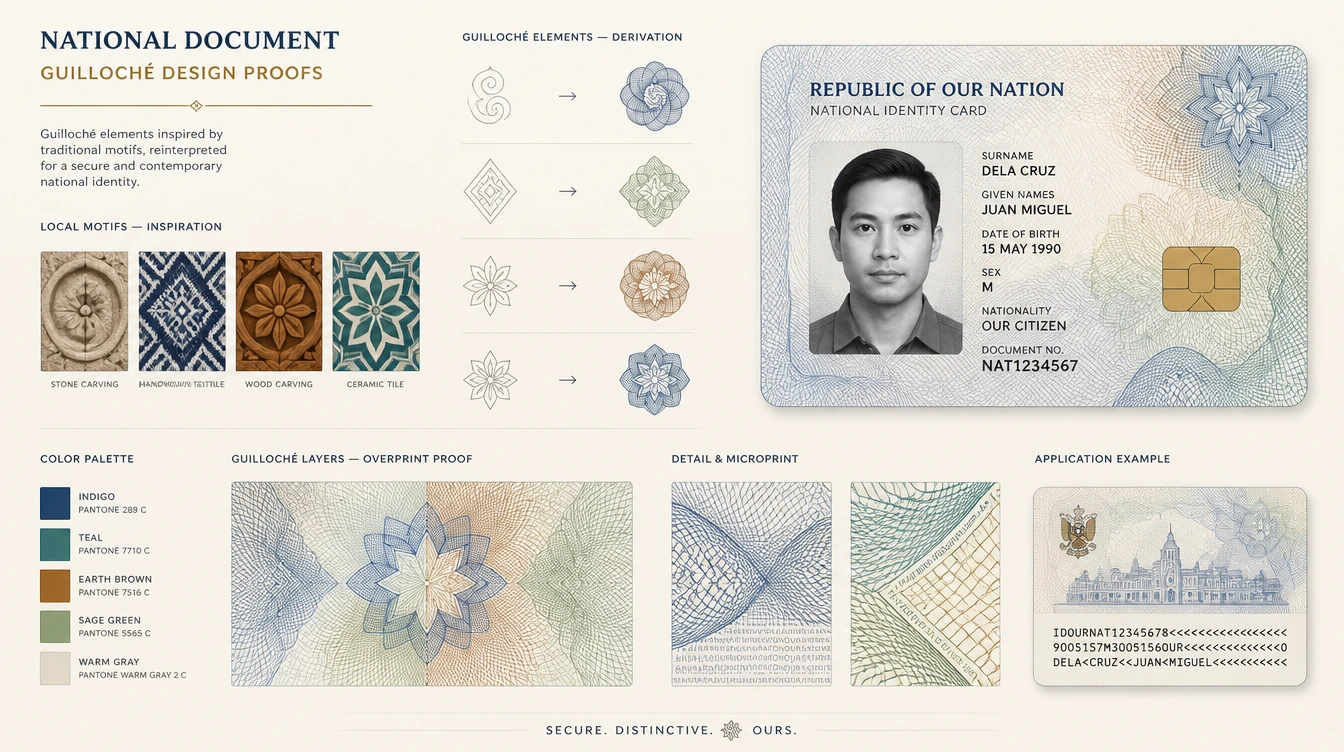
Passports carry heritage, landscape, script and symbol. Our design studio works with issuing authorities on the artwork as carefully as on the security architecture, because they are the same problem — a guilloché derived from a national motif is both an ornament and a feature that is extremely difficult to reproduce. The authority owns the design outright.
Can you produce to our existing design?
Yes — to a supplied design, as a redesign of an existing document, or from scratch with your heritage and security requirements.
Can production happen in our country?
In-country production and technology transfer can be arranged. This is a common sovereignty requirement and worth raising early, since it materially affects cost and timeline.
Who holds the document signing keys for ePassports?
The issuing authority. Always, in your own HSMs, in your jurisdiction.
Can we supply blank stock only, and personalise ourselves?
Yes. Many programmes start this way and move to full issuance later.
What volumes do you handle?
From short-run specialist documents to national-scale programmes. Capacity is confirmed per programme against the document type, security architecture and timeline.
We'll assess its security features against the threats it is actually facing and tell you where the gaps are — including where the honest answer is that it's fine as it stands.