
Identity is infrastructure.We build it end to end.
DNH designs, builds and runs digital identity and transformation programmes for governments across Europe, the Middle East, Africa and Asia Pacific — from the first policy decision to the card in a citizen's hand.
People worldwide with no official proof of identity
Duplicate records found the first time an old registry is cleaned up
Industry range
How long a national ID issued today has to last
—
Separate vendors a typical programme relies on — so no one is fully accountable
—
Most identity programmes fail in the gaps between suppliers — the firm that wrote the strategy, the one that built the platform, the one that supplied the scanners, the one that printed the cards. DNH does all four, so the responsibility is ours alone.
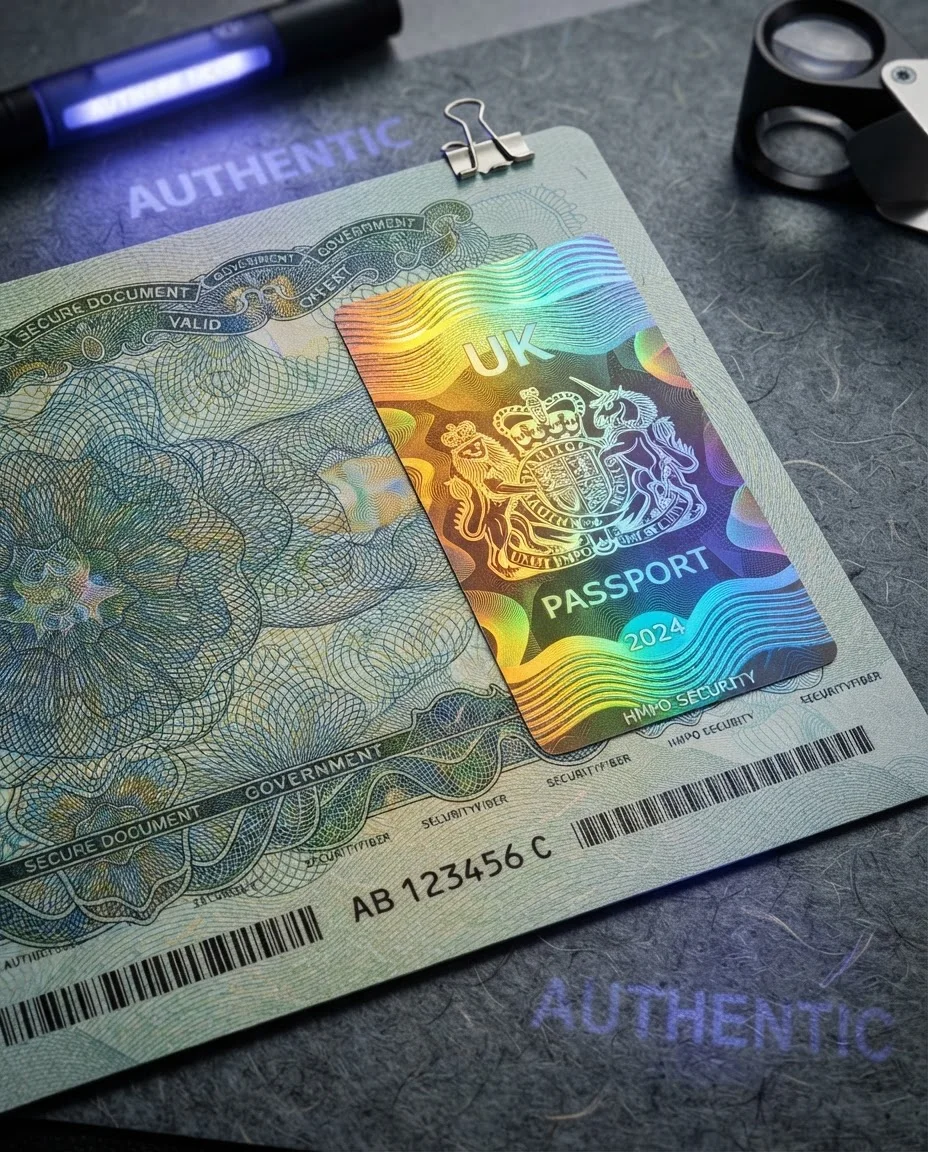
An ID has to work at a border desk with no connection, in an enrolment tent at 45°C, and as a fifteen-year-old card in someone's wallet. So DNH builds the devices and the documents too — not just the software.

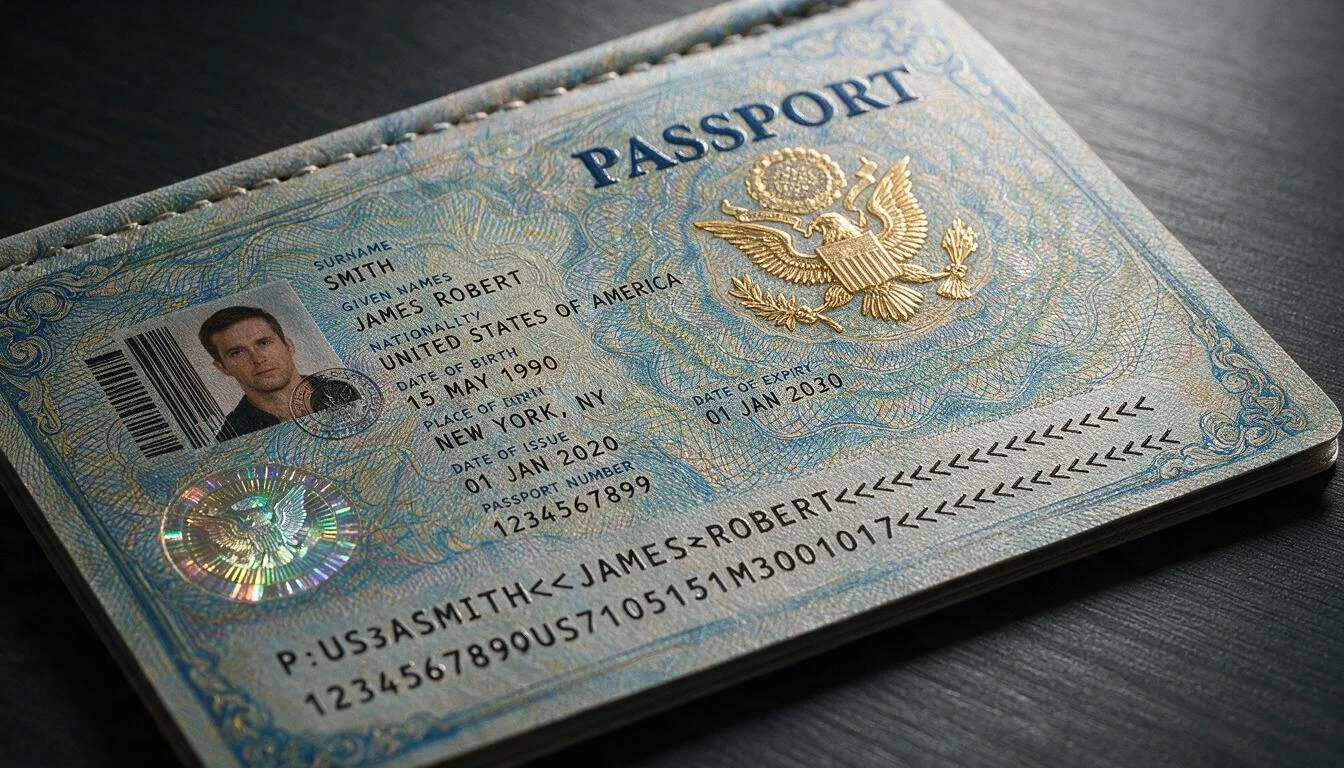
Governments rarely want an identity system for its own sake. They want to fix a border queue that's too long, a payroll that's leaking, a land dispute stuck in the courts, or a citizen who has to visit four offices for one task. Different problems — the same foundation underneath.
Population registry, national ID, passport, driving licence, vehicle registration and land title all ask the same question about the same person. With one trusted record, a change of address is entered once. Across eight separate systems, it's entered eight times — and six will be wrong within a year.
See the full portfolioWe are a global firm with regional offices in the Middle East and Africa — and we deliver like a local one. Regional teams are how we know which ministry actually signs off, which port clears hardware fastest, how to run enrolment through a rainy season, and what a sovereignty clause means in practice, not just on paper. We currently operate across Europe, the Middle East, Africa and Asia Pacific.
Europe
The standards, assurance regimes and data-protection law that shape identity programmes worldwide are written here — we work to them, and carry that discipline into every other region.
The Middle East
A regional office close to the digital-government mandates, sovereign hosting rules and the national and federal structures behind them.
Africa
A regional office where connectivity, power and logistics are part of the engineering problem, not a footnote — and where making a design work in a district office, not just the capital, is the whole job.
Asia Pacific
National-scale enrolment and border programmes where throughput, and interoperability across jurisdictions, are the hard part.

Every flag below is somewhere DNH has delivered a project or is actively working with government on a sovereign programme — across the Middle East, West, East and Southern Africa, and Asia. Some are long-running national programmes; others began as a single conversation with a ministry. The list grows the way the work does: one government at a time.
- United Arab Emirates
- Ghana
- India
- South Africa
- Uganda
- Rwanda
- Chad
- Senegal
- Malawi
- Gabon
- Niger











Delivered projects and active engagements. The order is not a ranking.
- 01
Frame
2 weeksWe sit with the people who own the problem and define what success looks like in numbers. You get a decision document with costed options. If the answer is “not yet”, we say so.
- 02
Design
6–12 weeksOperating model, architecture, standards plan, cost model and risk register — enough to take to a board or a procurement committee.
- 03
Deliver
phasedWe deliver in 6–10 week steps, each ending in something that works in a real setting. We always run the old and new systems side by side before switching over. Training your team is a tested deliverable, not a promise.
- 04
Operate and hand back
Managed service, support desk, spares and consumables — with a handover to your own team on a date written into the contract. We plan our exit from day one.
Step-by-step walkthroughs of the programmes we deliver — the phases, timelines, cost drivers, key decisions and the mistakes that catch most authorities out. Written for the people who have to defend the business case internally.
- ICAO Doc 9303
- ISO/IEC 19794
- ISO/IEC 29794
- ISO/IEC 30107-3 (PAD)
- ISO/IEC 7816
- ISO/IEC 14443
- ISO/IEC 18013-5 (mDL)
- NIST SP 800-63
- FIDO2 / WebAuthn
- W3C Verifiable Credentials
- OpenID Connect
- UAE PDPL
- GDPR
Full conformance details and reference architectures are available under NDA.
Our first articles are on their way.
Read all insightsMost of our work starts with a two-hour conversation and a whiteboard. Bring the problem, not the spec — we'll help you write that part.