
One person. One record. One lifetime.
Foundational identity is the hardest thing a government builds, because it has to be right for everybody, work for forty years, and never quietly exclude anyone. DNH builds these systems end to end — enrolment, deduplication, issuance, authentication and the credentials people carry.
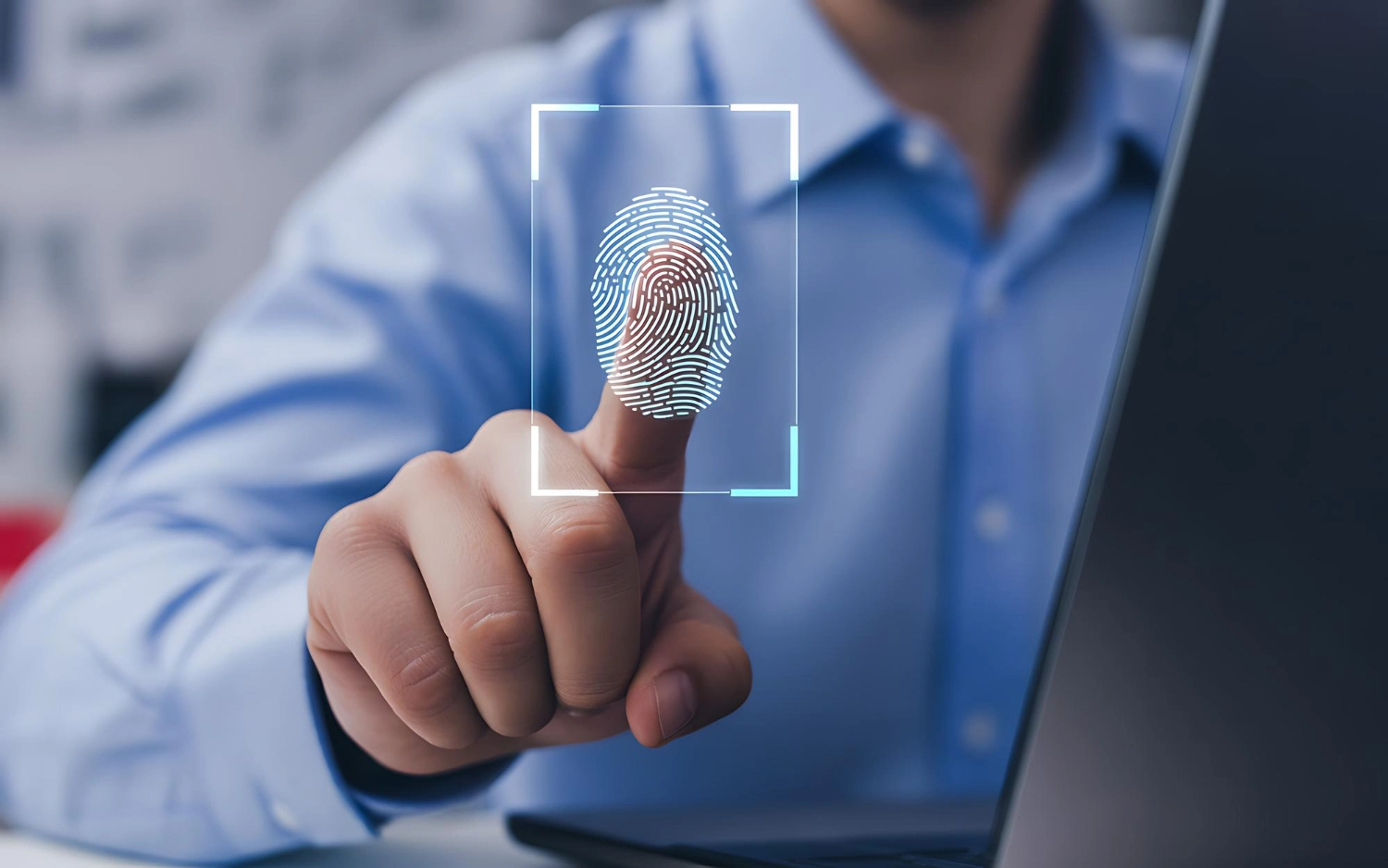
Establish
Breeder documents, civil registration, and the exception path for people who have no paper at all. This stage decides who gets included, and it's the stage most programmes underinvest in.
01Establish
Breeder documents, civil registration, and the exception path for people who have no paper at all. This stage decides who gets included, and it's the stage most programmes underinvest in.
02Enrol
Demographic capture, biometric capture with live quality scoring, consent capture, and an audit trail attached to the operator, the device and the site.
03Deduplicate
ABIS matching against the full gallery. Multi-modal fusion, threshold tuning against your population, and a human adjudication queue for the cases the algorithm shouldn't decide alone.
04Issue
Number allocation, credential personalisation, and physical or digital delivery with a chain of custody that survives an audit.
05Authenticate
Online and offline verification: 1:1 biometric match, PIN, OTP, QR, NFC, FIDO2, and API-based assertions for relying parties — with consent and purpose recorded on every call.
06Maintain
Updates, corrections, address changes, lost-and-stolen handling, re-issue, revocation, death registration and archival. This is where the system lives for decades, and where most designs are thin.
How people and relying parties reach the system — fixed sites, outreach units and digital front doors.
In this layer
- Enrolment kiosk
- Mobile unit
- Portal
- App
Physical production runs through Security Printing; capture and verification through Biometric Devices.
Manual labourers with worn fingerprints. Elderly people with cataracts. Amputees. Infants. Nomadic and pastoralist communities. Refugees with no breeder documents. People who cannot read the consent form they're being asked to sign.
If your identity system fails these groups, it hasn't hit an edge case — it has found the people it was built to exclude. We design the exception paths first and treat their failure rates as a primary KPI, reported alongside throughput.
What that means concretely
- Multi-modal capture so a failure in one modality isn't a failure to enrol
- Documented alternative-evidence and community-attestation routes
- Mobile and outreach enrolment as core scope, not a pilot
- Assisted and witnessed consent flows with a real audit trail
- Exception-rate dashboards broken down by age, gender, region and occupation
- Grievance and correction processes with published turnaround times
Data minimisation
Capture only what the legal basis supports; no “collect it in case”.
Purpose binding
Every relying-party request declares a purpose and is enforced against it.
Template protection
Biometric templates encrypted at rest, separated from demographic data, revocable where the modality allows.
Consent as a record
A citizen-viewable log of who accessed what, when, and why.
Tamper-evident audit
Append-only logs the auditor can verify independently of DNH.
Alignment
UAE PDPL, GDPR, the AU Malabo Convention, and the national data-protection laws of the countries in scope.
Documents
- ICAO Doc 9303
Biometrics
- ISO/IEC 19794
- ISO/IEC 29794
- ISO/IEC 30107-3
Cards
- ISO/IEC 7816
- ISO/IEC 14443
- ISO/IEC 18013-5
Authentication
- FIDO2 / WebAuthn
- NIST SP 800-63
Interoperability
- OpenID Connect
- SAML
- W3C VC / DID
- OpenID4VP
Data protection
- UAE PDPL
- GDPR
Conformance matrices and reference architectures available under NDA.
Do you supply your own ABIS or integrate a third party's?
Both are supported. We'll benchmark candidate matchers against a sample of your own population before recommending one — vendor-published accuracy figures are measured on datasets that look nothing like your country.
How do you handle an algorithm reaching end of life?
By keeping raw biometric images alongside templates, so the gallery can be re-templated when you migrate. Systems that store only templates from one vendor are locked in permanently.
Can this integrate with our existing national ID?
Yes. Most of our identity work is modernisation or extension, not a system built from nothing.
Who holds the signing keys?
You do. Always. In your HSMs, in your jurisdiction.
How long does a national programme take?
Design 3–6 months, first production increment 6–12 months, national enrolment coverage typically 18–36 months depending on population size, geography and the number of enrolment points. The programme scenarios set out the phases in detail.
The interesting conversation isn't about throughput at a city registration office. It's about the district where enrolment is failing and nobody's sure why.