
Shorter queues, without a weaker check.
ICAO-compliant travel documents, automated gates and integrated immigration workflows, with biometric matching at arrival, departure and visa processing.
ePassport issuance
ICAO Doc 9303 booklets, polycarbonate data pages, chip encoding and personalisation.
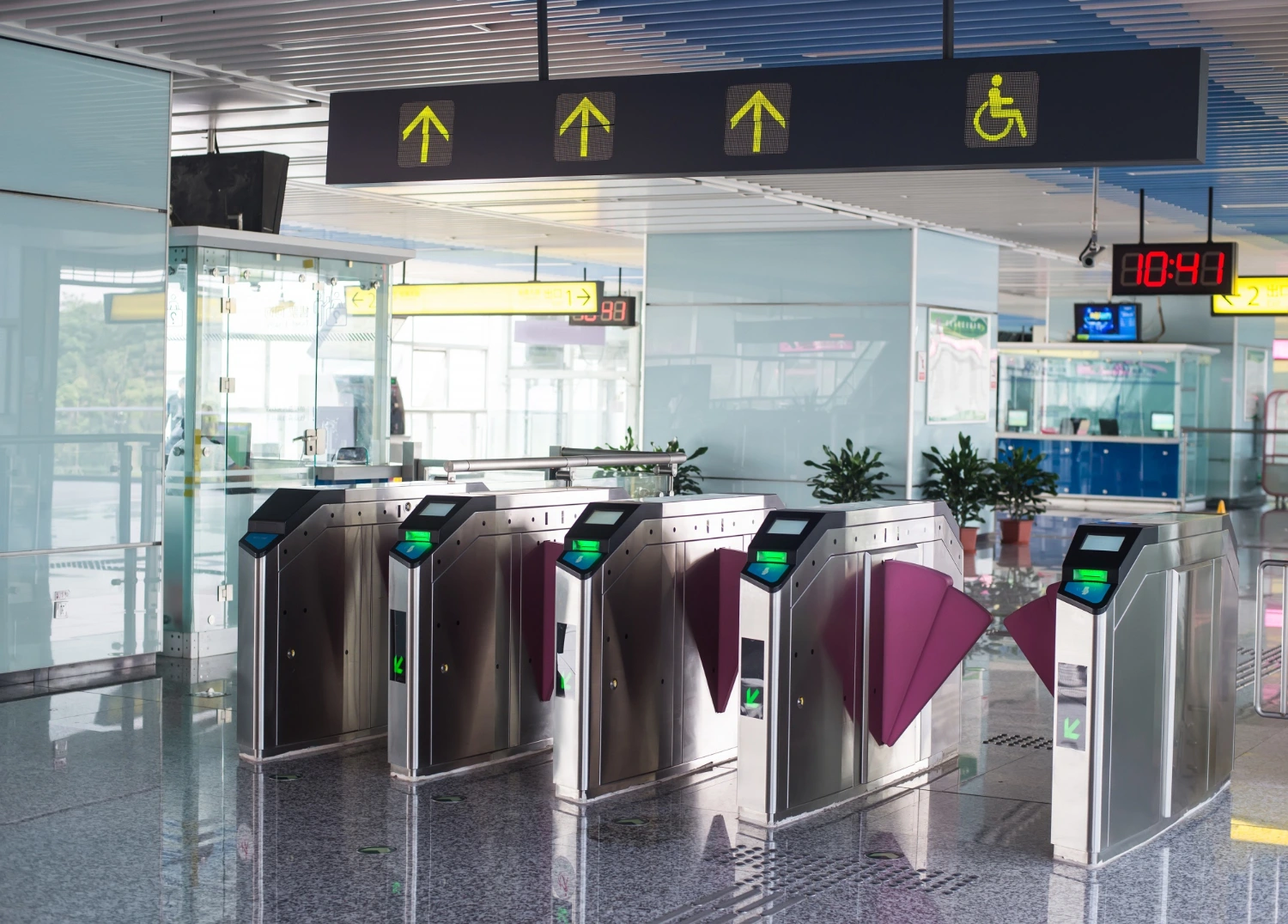
Automated gates
Face and fingerprint verification against the chip and the registry, with fallback to assisted inspection.
Visa processing
eVisa application, adjudication workflow, issuance and verification at the port.
Arrival and departure records
A complete movement history — which is what makes overstay reporting possible at all.
Watchlist screening
Biometric and biographic matching against national and international lists, with adjudication queues and audit trails.
Intelligence feeds
Real-time movement data to the agencies entitled to it, under a defined access model.
Failure-to-match at the gate
Not laboratory accuracy. A gate that rejects 4% of legitimate travellers creates a longer queue than no gate at all.
Fallback design
Every automated path needs a staffed one behind it that doesn't feel like a punishment.
Interoperability
The document has to be readable at every other border in the world, which makes conformance non-negotiable rather than aspirational.
- ICAO Doc 9303
- ICAO PKD
- ISO/IEC 19794
- ISO/IEC 14443
- WCO frameworks
Tell us your passenger volumes, your peak profile, and where the queue actually forms.